
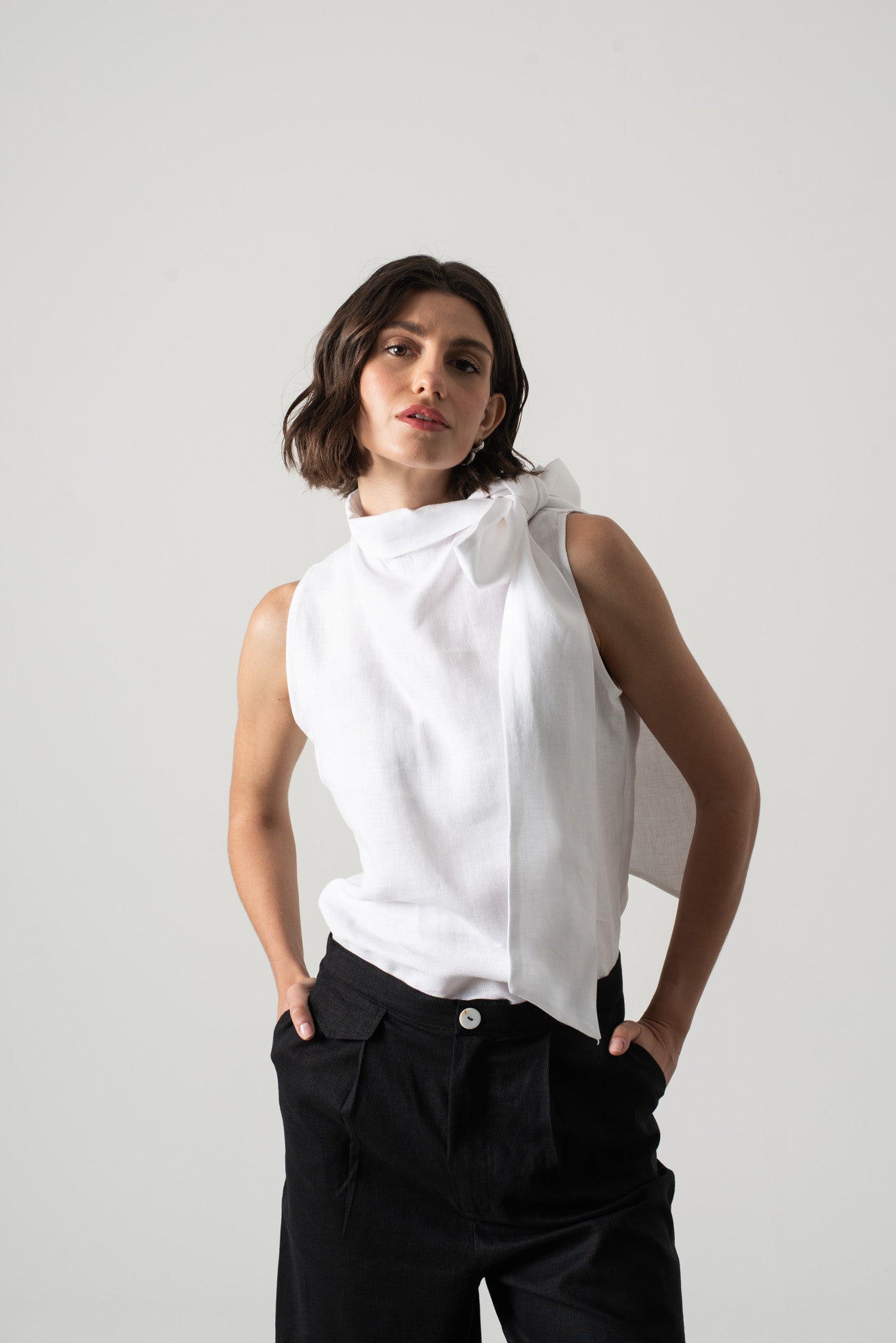
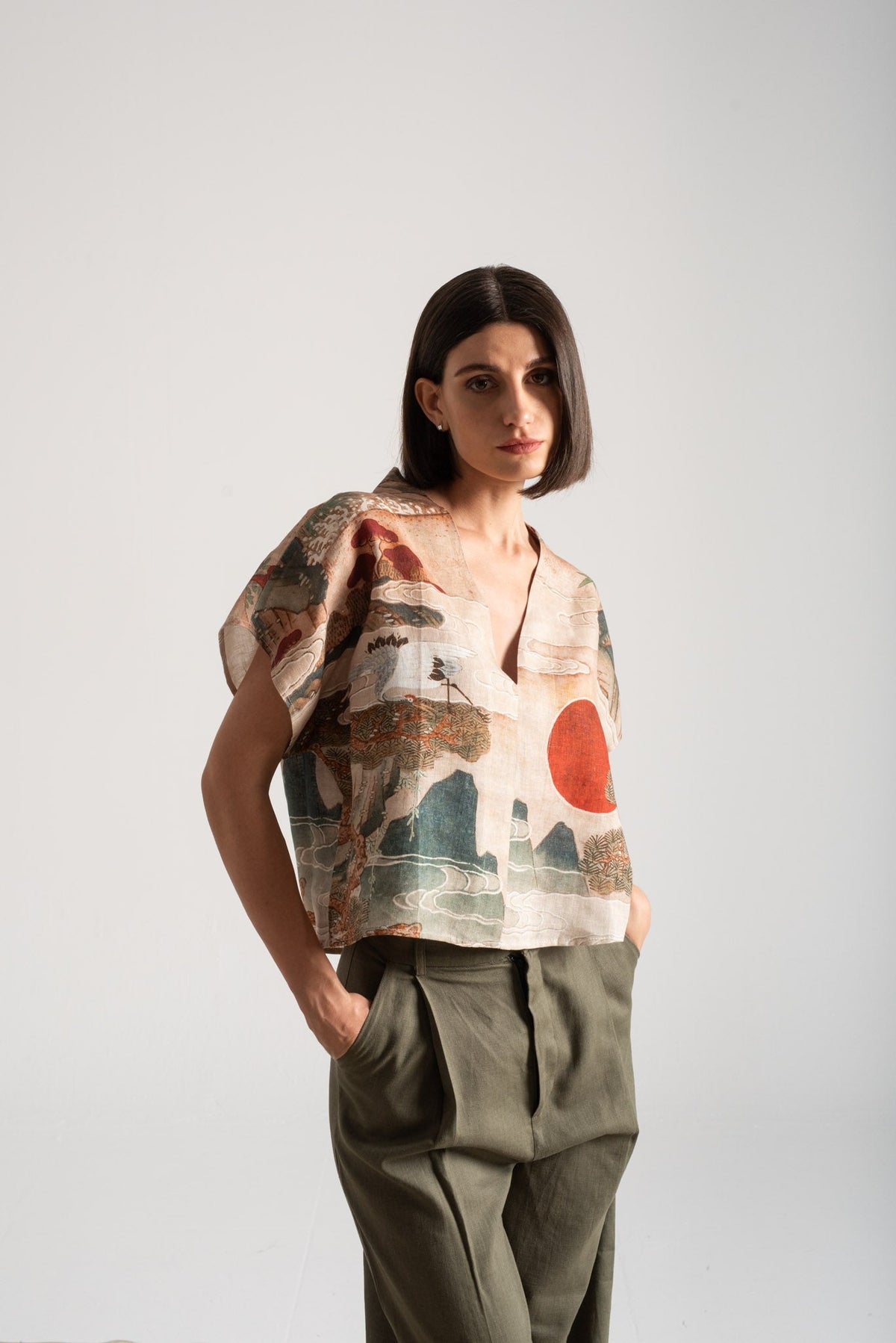

Imagine devoting twenty years of your life to learning a craft that almost nobody practises anymore.
There are easier ways to make beautiful things. Faster ways. Simpler ways. But that has never been the point.
For more than a thousand years, Korean artisans have practised Najeon (나전), the intricate art of mother-of-pearl inlay.

By the Goryeo Dynasty (918–1392), it was regarded as the pinnacle of Korean craftsmanship.
Each fragment of shell is sliced thinner than paper, cut by hand, and laid into natural black lacquer.
Layer by layer, the surface is built, buried, sanded back and polished until the shell slowly re-emerges, perfectly level with the lacquer.
More than forty-five individual steps. Three months. Sometimes three years.
The remarkable part is that the mother-of-pearl contains no colour at all.
Nothing you could point to and call the blue or the green. Its iridescence comes entirely from light.

As light passes through microscopic layers of nacre, it bends and overlaps in ways that create colour, like the shimmer on soap bubbles or butterfly wings.
Today, the craft is protected as one of Korea's National Intangible Cultural Heritage traditions because it came dangerously close to disappearing.
It demands decades of patience, physically intense work, and a level of devotion that rarely makes practical sense.

One of the remaining masters, Song Bang-ung, grew up in his father's workshop from the age of eight.
Ten years of formal apprenticeship passed before he was finally permitted to create work of his own.
Another decade of study followed before he found a voice distinctly his. Three decades passed before Korea formally recognised him as a master of the craft.
And yet, people still choose this work.
Perhaps that's what makes Najeon so moving: not the brilliance, but the quiet devotion behind it.
Some things are worth doing slowly.
With devotion.
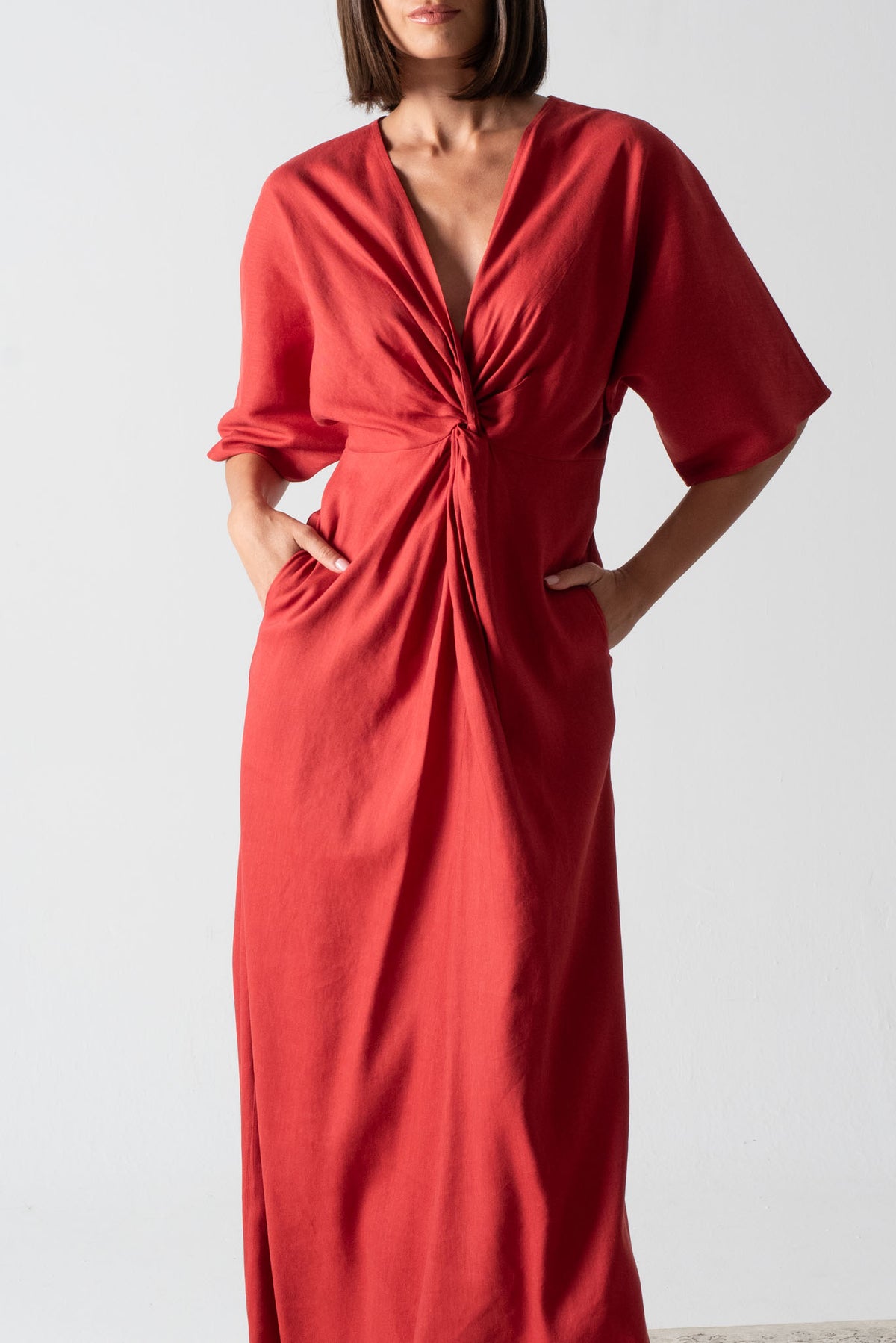
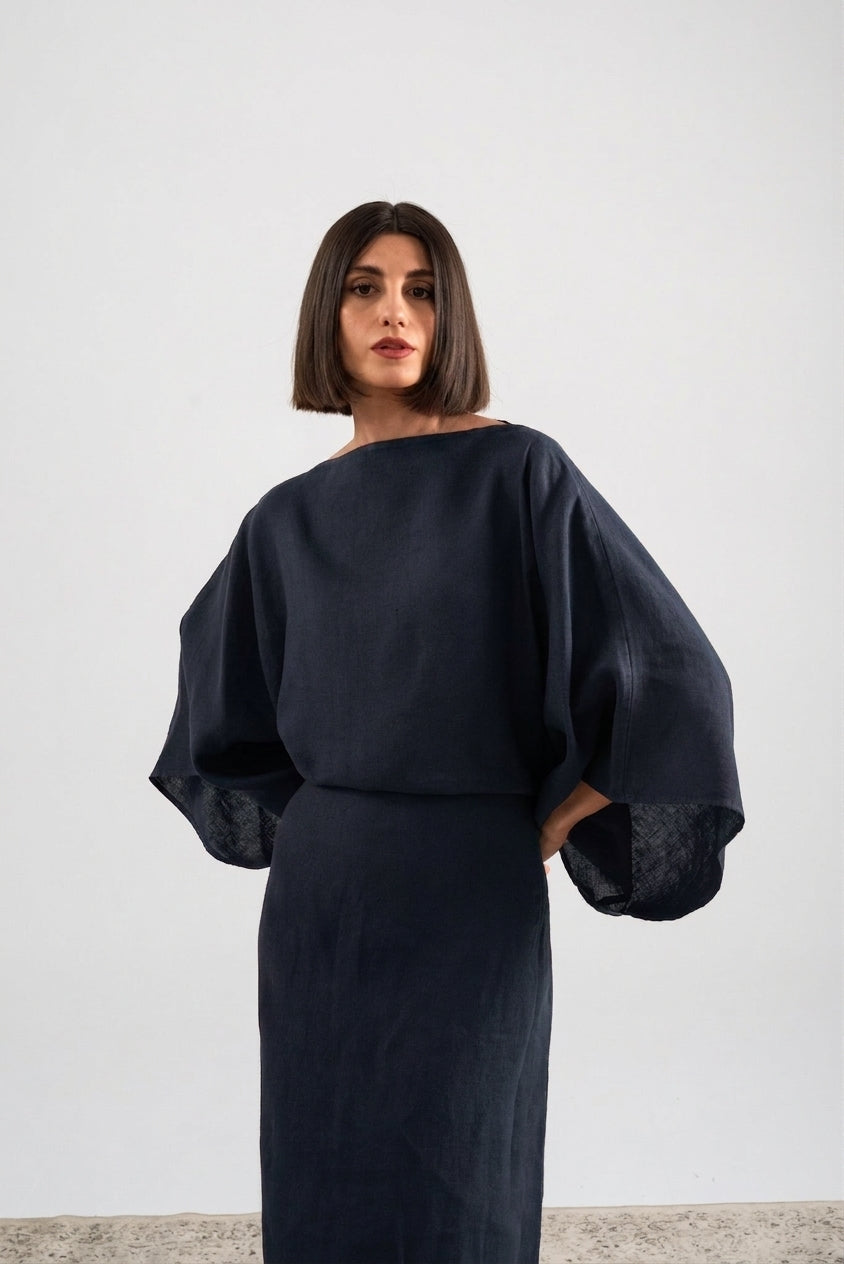
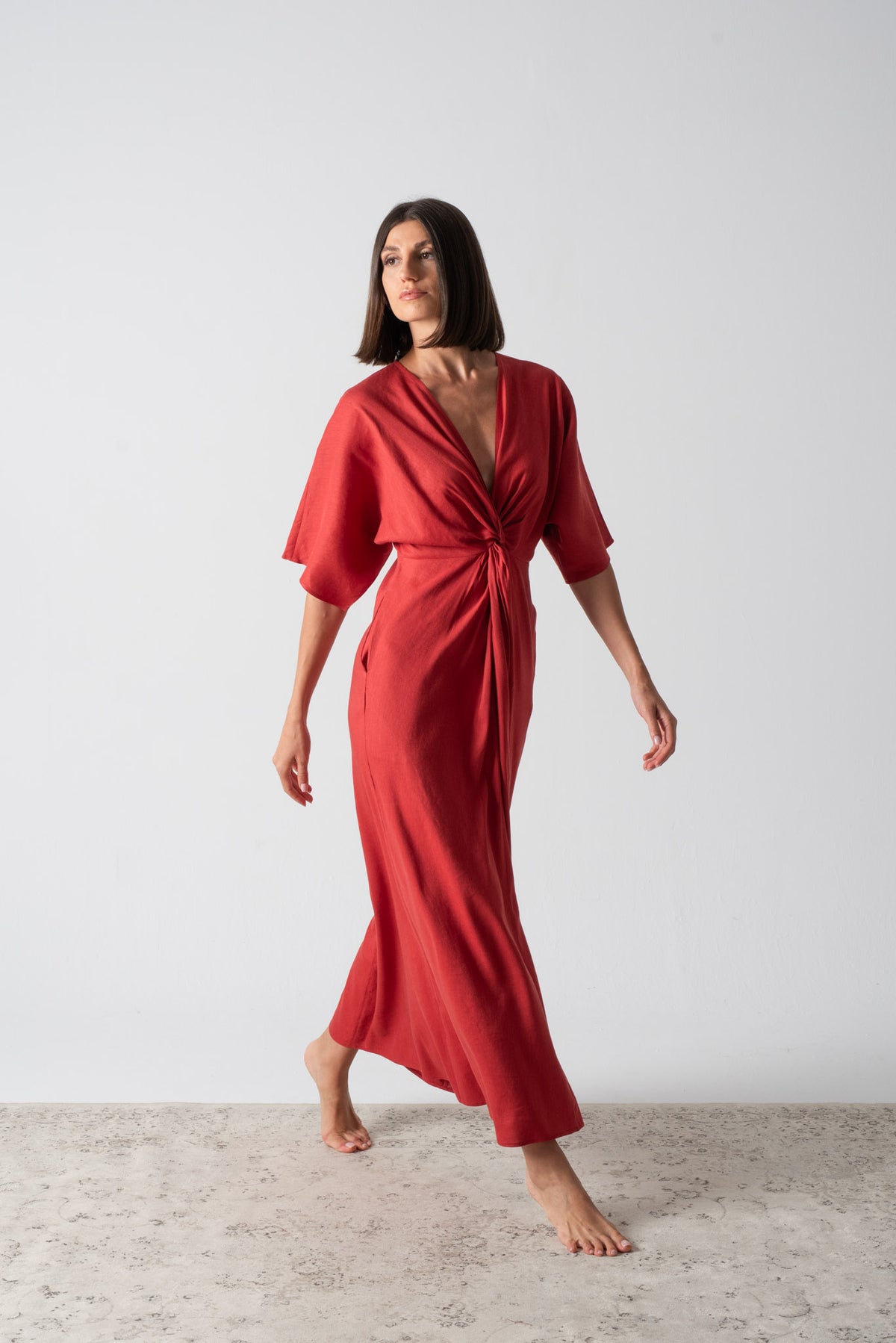
We found ourselves returning to that idea while creating our Najeon-inspired linen collection.

Not to recreate the craft (that would be impossible) but to honour its philosophy and our founder's Korean heritage.
To design thoughtfully. To release in limited numbers.
Because the things worth keeping are rarely the ones made the fastest.
They're the ones that carry something of the hands (and the hearts) that made them.

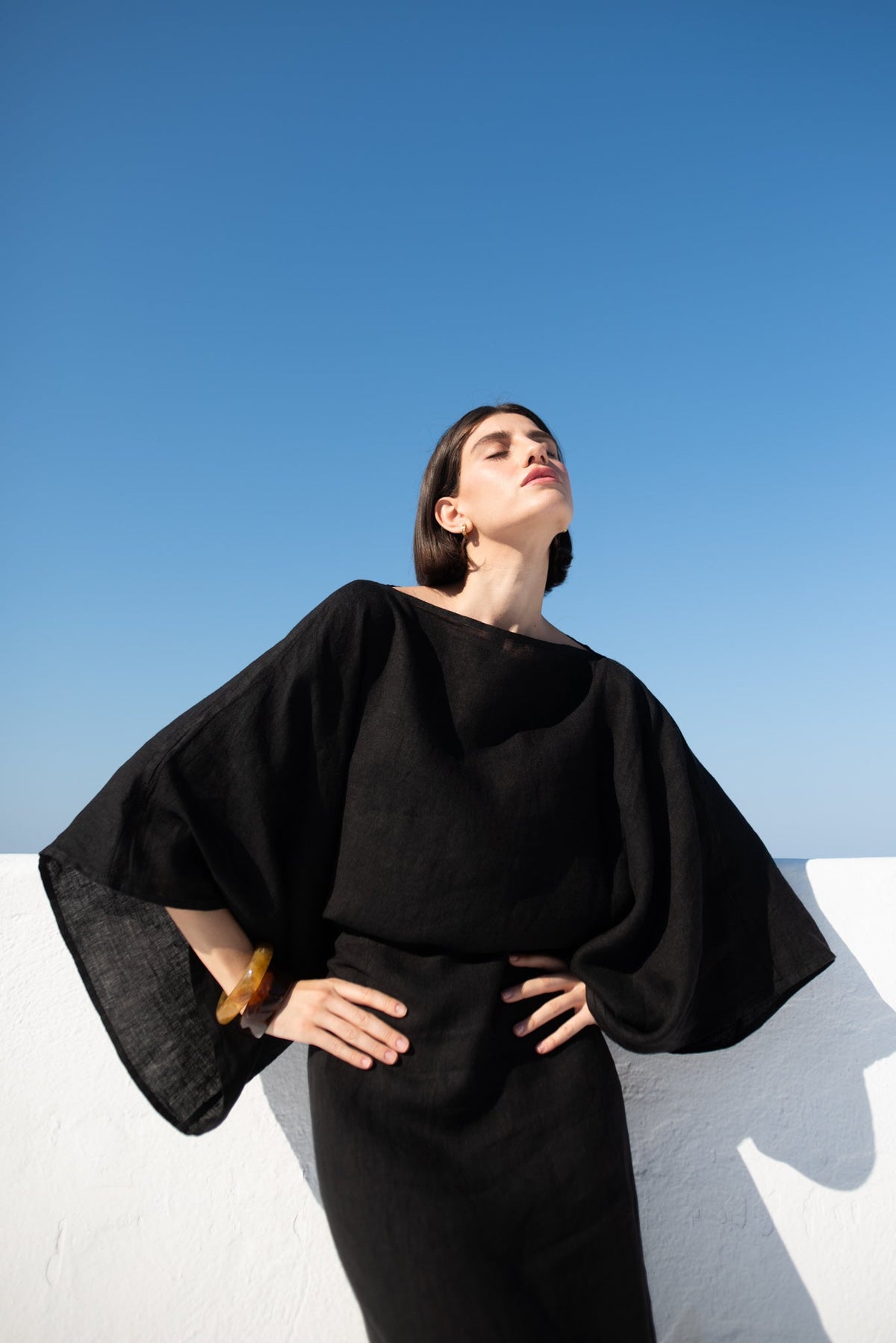
Some of these photographs were captured at Methoni Castle in southern Greece. The centuries-old fortress appeared as one of the filming locations in Christopher Nolan's The Odyssey. A fitting backdrop for a story about craftsmanship, patience, and the things that endure.